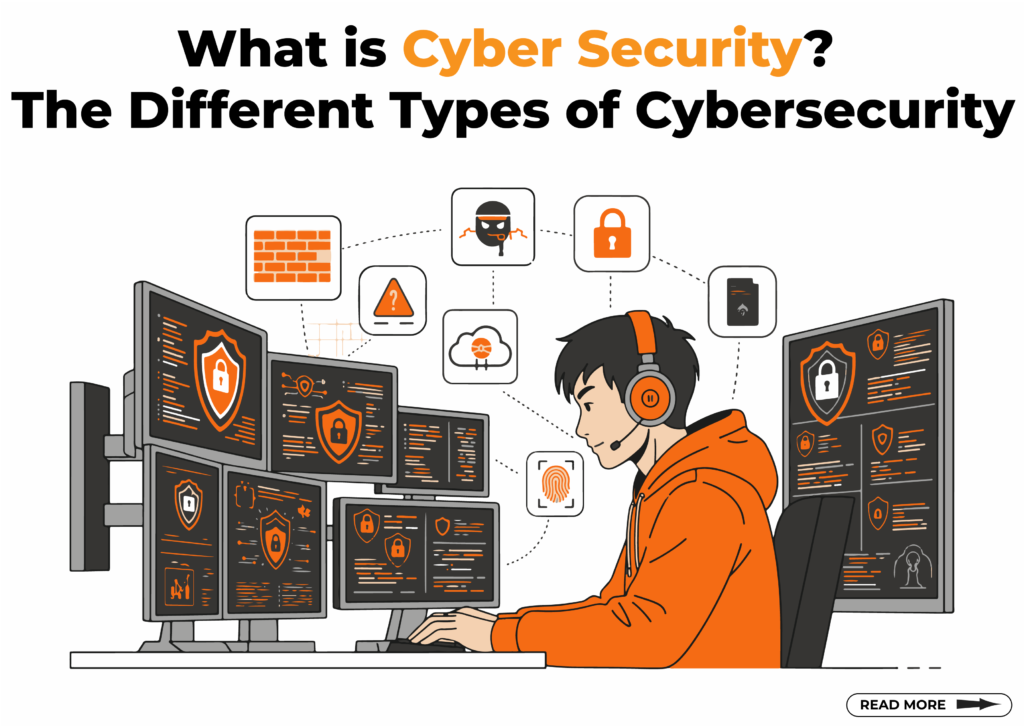
Cybersecurity is the practice of protecting networks, devices, applications, and digital assets from unauthorized access, cyberattacks, and data breaches. It integrates people, policies, and technologies to ensure the confidentiality, integrity, and availability of information against threats like ransomware, phishing, and malware.
Modern cybersecurity is divided into several core domains and utilizes key defense principles to secure both individual and enterprise environments.
Core Domains
- Network Security: Protects internal networks and architecture by utilizing tools like firewalls and continuous traffic monitoring.
- Cloud Security: Secures cloud infrastructure and data at rest, in motion, and in use.
- Endpoint Security: Protects individual devices (e.g., computers, smartphones) from threats targeting system entry points.
- Application Security: Ensures safe software functionality by mitigating code vulnerabilities during development and deployment.
Key Cybersecurity Principles & Best Practices
- Zero Trust: A security architecture where no user, device, or network transaction is inherently trusted, requiring continuous verification.
- Multi-Factor Authentication (MFA): Requires multiple forms of verification to access electronic information, drastically reducing unauthorized account access.
- Cyber Hygiene: Basic routine practices such as maintaining strong passwords, keeping operating systems updated, and recognizing suspicious emails or links.
- Incident Response & Backups: Enforcing tested, offline data backups and having a clear plan to recover quickly if an attack succeeds.